Blur vinyl: how to choose, identify and look after your records
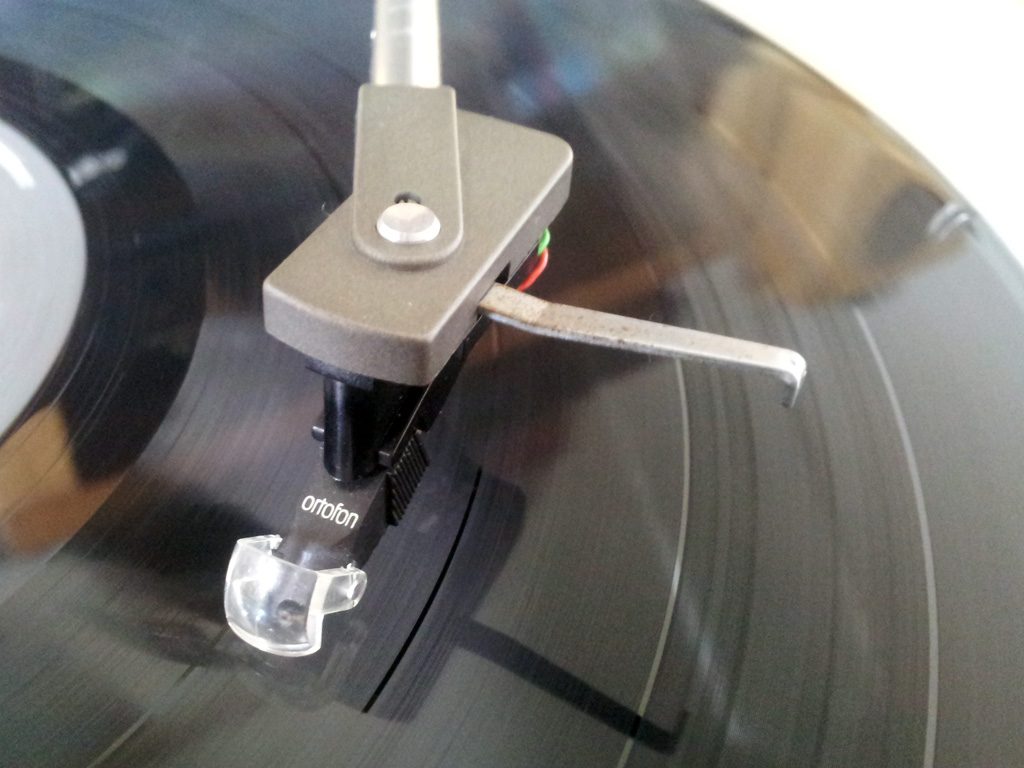
Blur vinyl appeals to day-one fans and new collectors alike. But between original 1990s pressings, reissues and coloured limited editions, it is easy to overpay for an ordinary record. This guide shows you how to identify a pressing, judge its condition and look after your collection.
Why original Blur vinyl is sought after
Blur's first five albums came out when CD and cassette ruled the market. Food and Parlophone pressed vinyl in limited runs, especially for Leisure (1991), Modern Life Is Rubbish (1993) and Parklife (1994). The result: a period UK pressing in good condition is far scarcer than a modern reissue.
The 7" and 12" singles of the era, often carrying B-sides that never made the albums, are another hunting ground. They also document the battle with Oasis, when labels multiplied formats to boost chart sales.
Identify a pressing in 5 steps
- Read the matrix etched near the label on both sides, and note it exactly.
- Check the label: record company, catalogue number, rights wording and year.
- Examine the sleeve: barcode, country of manufacture, printer, card type, inner sleeve or insert.
- Compare against a database: Discogs lists every variant of a record, matrix by matrix.
- Cross-check on MusicBrainz, which documents releases and their codes as open data.
Grading a record's condition
Most sellers use the Goldmine grading scale, applied separately to the disc and the sleeve.
| Grade | Meaning | What you hear |
|---|---|---|
| M (Mint) | new, never played | no noise |
| NM (Near Mint) | almost new | no audible flaws |
| VG+ (Very Good Plus) | light signs of use | occasional faint crackle |
| VG (Very Good) | visible wear | audible surface noise, mostly between tracks |
| G (Good) | heavily worn | constant noise, playable but degraded |
| P (Poor) | damaged | skips, distortion |
Reissues and limited editions: bargain or trap?
Since the remastered reissues around the Blur 21 box set (2012), every album has been available at a reasonable price. Recent records such as The Magic Whip (2015) and The Ballad of Darren (2023) come in several variants: black vinyl, colours, store and indie-shop exclusives.
- To listen: a standard black-vinyl reissue is enough, and costs far less.
- To collect: target period UK pressings, 1990s singles and numbered editions.
- To speculate: be careful. Modern "limited" editions are sometimes pressed in thousands and their value does not necessarily rise.
Looking after your collection
- Store records upright, never stacked flat.
- Use anti-static inner sleeves and outer plastic sleeves.
- Keep them away from heat, humidity and direct sunlight.
- Brush records with an anti-static brush before each play and use a proper cleaning fluid when they are dirty.

Frequently asked questions
Which Blur vinyl should I buy first?
Parklife for the defining album, or 13 for depth. A standard reissue is ideal to start with.
How do I know if my Blur record is an original pressing?
Note the matrix etched near the label, the catalogue number and the country of manufacture, then compare them with the variants listed on Discogs.
Does coloured vinyl sound worse?
With modern pressings the difference is usually small; quality depends mostly on the mastering and the pressing plant.